
Van Nuys homeowners know the challenge: 100-degree summers that stretch from June through September, moderate winters, and wildfire season air quality that demands filtration you can trust. If you're planning a remodel or facing an HVAC replacement, choosing the wrong system means higher bills, uneven cooling, and dust-choked filters that can't keep up. The right HVAC system for Van Nuys isn't just about cooling capacity. It's about handling extreme Valley heat efficiently, filtering smoke and particulates during fire season, and zoning multi-story homes where upstairs bedrooms turn into ovens by afternoon.
Ground Up Builders has spent 16+ years installing and upgrading HVAC systems across Los Angeles, Orange, and Ventura counties. We hold California CSLB License #911849 and work directly with homeowners to match equipment to climate demands, not just square footage. Here's what actually works in the San Fernando Valley.
Why Van Nuys HVAC Demands Are Different

The San Fernando Valley climate creates specific challenges most national HVAC guides ignore. Summer afternoons regularly hit 105°F, and your system runs 8-10 hours straight. Nighttime temperatures drop 20-30 degrees, so oversized units short-cycle and waste energy. Wildfire season brings smoke and ash that clogs standard filters within days. Multi-story Valley homes trap heat upstairs, creating 15-degree temperature swings between floors.
Extreme Heat Load
Van Nuys sits in a heat basin. Your HVAC system needs enough capacity to maintain 72°F indoors when it's 108°F outside, but not so much capacity that it cycles on and off every 10 minutes at night. The wrong sizing calculation costs you substantially in wasted energy annually.
Air Quality Filtration
Standard 1-inch pleated filters can't handle wildfire particulates. During fire season, you need MERV 13 or higher filtration, which requires a system with enough static pressure tolerance to pull air through dense media without starving the blower motor.
Multi-Story Zoning Challenges
Two-story homes in Van Nuys, Studio City, and Sherman Oaks face a physics problem: hot air rises, and your second floor can be 15 degrees warmer than the living room. Single-zone systems either freeze the downstairs or fail to cool upstairs bedrooms.
Central AC Systems: The Valley Workhorse
Central air conditioning remains the most common HVAC solution in Van Nuys for good reason. When sized and installed correctly, a quality central system handles Valley heat efficiently and integrates with whole-home filtration.
High-SEER Two-Stage Compressors
Look for systems rated 16 SEER or higher with two-stage compressors. The compressor runs at low speed during moderate heat (80-95°F), saving energy. When temperatures spike above 100°F, it shifts to high stage for full cooling capacity. Brands we install include Carrier, Trane, and Lennox models designed for sustained high-temperature operation.
Two-stage systems cost a meaningful premium upfront compared to single-stage units, but energy savings recoup the investment across 5-8 years. More importantly, they dehumidify better during spring and fall when you need cooling but not full blast.
Proper Duct Sealing and Insulation
Most Van Nuys homes were built between 1940 and 1980, and duct systems leak 20-40% of conditioned air into attics and crawlspaces. During an HVAC replacement, sealing ducts with mastic and adding R-8 duct insulation cuts energy waste and improves upstairs airflow.
We've seen poorly sealed duct systems waste enough cooling capacity to require a half-ton larger compressor, which then short-cycles and fails early. Seal first, size second.
Zoned Central Systems
Adding motorized dampers and a second thermostat creates two zones: upstairs and downstairs. Your system directs more airflow to the second floor during peak afternoon heat, then balances at night. Zoning adds cost during installation but solves the chronic upstairs-too-hot problem without running your system into the ground.
Mini-Split Systems: Flexibility for Additions and Garage Conversions
Mini-split heat pumps (ductless systems) have become popular in Van Nuys for ADU construction projects, home additions, and older homes where adding ductwork isn't practical. Each indoor wall-mounted unit connects to an outdoor compressor via a small refrigerant line.
Where Mini-Splits Excel
If you're converting a garage to an ADU or adding a bedroom, mini-splits deliver efficient heating and cooling without tearing into walls for ducts. You can install one outdoor unit that serves up to four indoor heads, each with its own thermostat. That means your ADU renter controls their temperature independently.
Mini-splits also work well for bonus rooms, sunrooms, and home offices that your existing central system can't reach. Mitsubishi, Daikin, and LG models we install are rated for sustained 115°F outdoor operation, which matters during Valley heat waves.
Energy Efficiency and Inverter Technology
Quality mini-splits use inverter-driven compressors that ramp speed up and down instead of cycling on and off. SEER ratings reach 20-28, significantly higher than most central AC systems. That efficiency matters when you're cooling a space 10 hours a day.
Limitations in Whole-Home Applications
Mini-splits work best for targeted zones. Cooling an entire 2,000-square-foot home with mini-splits requires 3-5 indoor heads mounted on walls in living areas, which some homeowners find visually intrusive. Filtration is limited to washable screens in each head, so you'll need a separate air purifier for wildfire smoke.
Hybrid Systems: Best of Both Worlds
Hybrid HVAC systems (also called dual-fuel systems) pair an electric heat pump with a gas furnace. The heat pump handles cooling in summer and mild heating in winter. When temperatures drop below 40°F (rare in Van Nuys, but it happens), the gas furnace takes over.
Why Hybrid Makes Sense in Southern California
Van Nuys winters are mild, with most nights in the 45-55°F range. A heat pump runs efficiently at those temperatures, using less energy than firing a gas furnace. On the handful of nights that dip into the 30s, the furnace kicks in automatically.
Hybrid systems cost more upfront than AC-only setups, but if you're replacing both heating and cooling equipment during a home remodeling project, the incremental cost is modest and energy savings add up over time.
Heat Pumps and Valley Summer Performance
Modern heat pumps cool just as effectively as traditional AC systems. The same refrigerant cycle runs in reverse: instead of moving heat out of your home, it moves heat into your home during winter. For Van Nuys homeowners, the cooling performance matters most, and quality heat pumps handle 110°F outdoor temperatures without issue.
Filtration Upgrades for Wildfire Season Air Quality
Wildfire smoke isn't a sometime problem in the Valley anymore. It's a seasonal reality from July through November. Your HVAC system can be your primary defense, but only if it's equipped to filter fine particulates.
MERV 13 and MERV 16 Filters
Standard 1-inch furnace filters are rated MERV 6-8. They catch dust and pet hair, but wildfire smoke particles (PM 2.5) pass straight through. MERV 13 filters capture 90% of particles between 0.3 and 1.0 microns. MERV 16 filters (hospital-grade) capture 95%+.
The catch: denser filters restrict airflow. Your blower motor works harder, and if your system wasn't designed for high-MERV filtration, you can starve airflow and overheat the heat exchanger. Before upgrading filters, check your system's fan capacity and static pressure rating.
Media Cabinets and Whole-Home Air Purifiers
A media filter cabinet replaces your standard 1-inch filter slot with a 4- or 5-inch-deep pleated media filter. The added surface area means high filtration with less airflow restriction. Brands like Aprilaire and Honeywell make media cabinets that fit most central HVAC systems.
For maximum protection, standalone HEPA air purifiers or in-duct UV purifiers work alongside your HVAC filtration. We install these during remodels when ductwork is already exposed, keeping added labor costs low.
Filter Replacement Discipline
High-MERV filters clog faster than standard filters, especially during wildfire events. Plan to check filters monthly during summer and replace every 60-90 days. A clogged filter cuts airflow by 30-50%, forcing your compressor to run longer and driving up electric bills.
Sizing and Load Calculations: Why Bigger Isn't Better
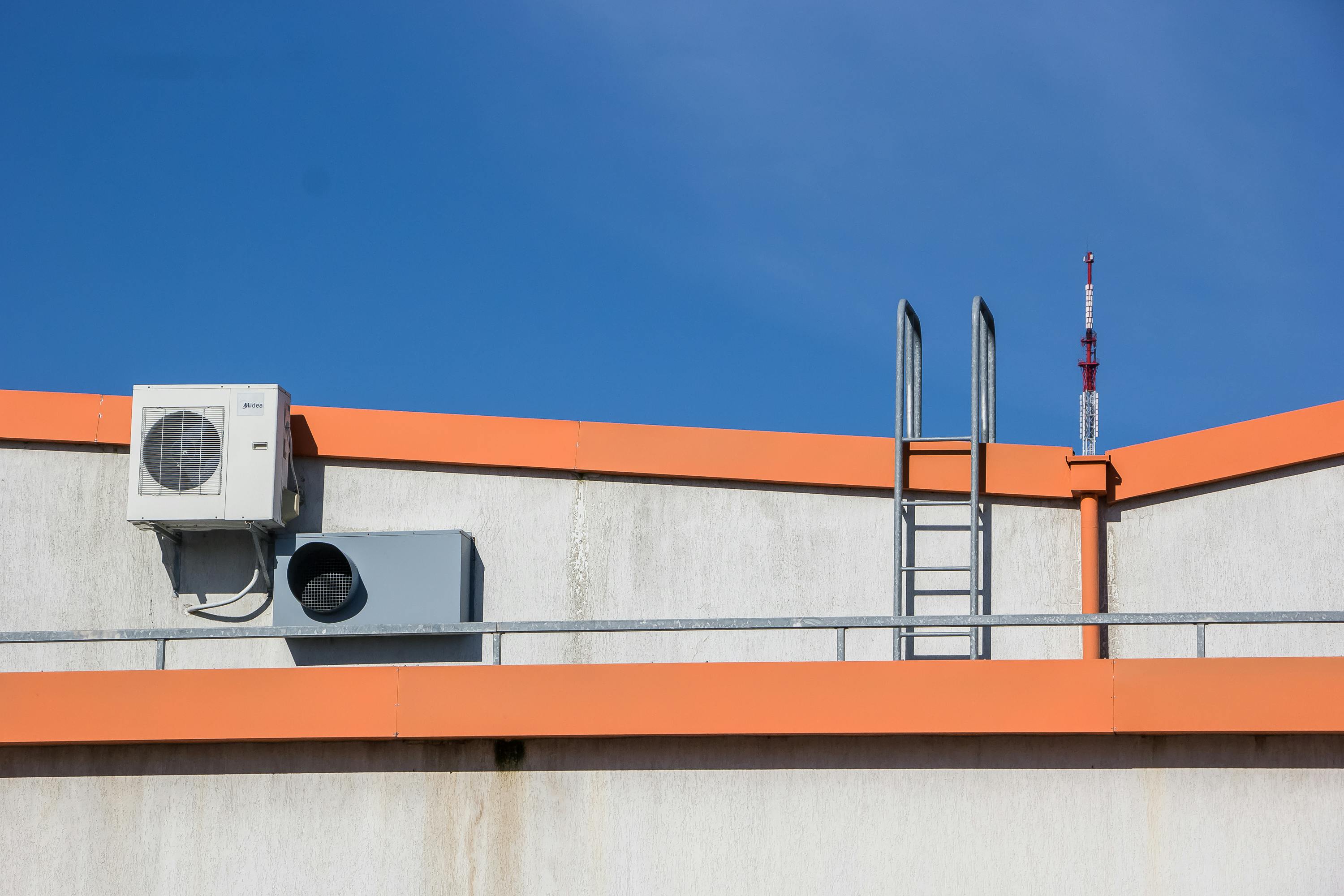
Many Van Nuys homeowners assume hotter climate equals bigger AC unit. That logic leads to oversized systems that short-cycle, fail to dehumidify, and burn out compressors early.
Manual J Load Calculations
A proper HVAC installation starts with a Manual J load calculation. Your contractor measures your home's square footage, insulation levels, window sizes and orientations, duct layout, and infiltration rates. That data produces a cooling load in BTUs per hour.
For a typical 1,800-square-foot Van Nuys home with decent insulation, the load usually falls between 36,000 and 48,000 BTU/hr (3-4 tons). If your contractor suggests a 5-ton unit without running the numbers, find another contractor.
The Cost of Oversizing
An oversized AC cools your home quickly, then shuts off. Ten minutes later, it kicks back on. This short-cycling never allows the system to dehumidify, leaving your home clammy. Compressors and capacitors wear out from constant starting and stopping. Oversized systems also cost substantially more to buy and install, so you pay extra upfront for worse performance.
The Cost of Undersizing
Undersizing is less common, but it happens when contractors lowball bids by spec'ing smaller equipment. An undersized system runs continuously during peak heat and never reaches your thermostat setpoint. Your electric bill spikes, and occupant comfort suffers.
Smart Thermostats and Energy Management
Programmable and smart thermostats cut cooling costs without sacrificing comfort, especially in Van Nuys where time-of-use electric rates penalize afternoon and evening usage.
Nest, Ecobee, and Honeywell Models
Smart thermostats learn your schedule and adjust cooling to avoid peak-rate hours. If you're at work until 5 PM, the system lets indoor temperatures drift to 78-80°F during the afternoon, then pre-cools your home at 4 PM using cheaper off-peak power.
Remote control via smartphone app means you can adjust settings during heat waves or when plans change. Integration with Alexa and Google Assistant adds voice control convenience.
Zoning and Multi-Stage Control
Smart thermostats pair well with zoned systems and two-stage compressors. The thermostat can call for low-stage cooling when loads are light, saving energy while maintaining comfort. When both zones demand cooling during peak afternoon heat, it shifts to high stage automatically.
When to Replace vs. Repair Your Existing HVAC
If your current system is struggling, the decision to repair or replace depends on age, efficiency, and upcoming remodel plans.
The 50% Rule
If a repair costs more than 50% of replacement and your system is over 12 years old, replacement usually makes financial sense. A failed compressor on a 15-year-old AC unit with 10 SEER efficiency isn't worth fixing when a new 16 SEER system cuts your cooling bills substantially.
Refrigerant Phase-Out Considerations
Older systems use R-22 refrigerant, which is no longer produced in the U.S. Recharging R-22 systems costs significantly more than it did five years ago, and prices will only climb. New systems use R-410A or newer low-GWP refrigerants.
Coordinating HVAC Replacement with Remodels
If you're planning a kitchen remodeling or Bathroom Remodeling project that involves opening walls and ceilings, that's the ideal time to replace HVAC equipment and upgrade ductwork. Access is easier, labor costs consolidate, and you avoid patching drywall twice.
Ground Up Builders coordinates HVAC installation with remodel timelines so your new system commissions the day your project wraps. No living through a Valley summer without air conditioning.
Energy Efficiency Rebates and Incentives
Southern California Edison (SCE) and Energy Star — Save at Home offer rebates for high-efficiency HVAC installations. Rebates vary depending on equipment SEER rating and whether you're replacing electric resistance heating.
Qualifying Equipment
To qualify for SCE rebates, central AC systems must meet 15 SEER or higher, and heat pumps must meet 15 SEER / 8.5 HSPF minimum. Ductless mini-splits qualify at 18 SEER. Your contractor must provide proof of proper installation and refrigerant charge.
Federal Tax Credits
High-efficiency heat pumps and central AC systems may qualify for federal energy efficiency tax credits. The Inflation Reduction Act extended and expanded credits through 2032, covering a meaningful percentage of equipment and installation costs (caps apply). Consult your tax advisor for specifics.
Ground Up Builders' HVAC Installation Process
When you work with Ground Up Builders for HVAC replacement or new installation, you're not handed off to a junior crew after signing. Tal Winograd and our direct team manage every phase.
Site Assessment and Load Calculation
We walk your home, measure spaces, inspect existing ductwork, and run Manual J load calculations. You'll see the numbers that determine equipment size and configuration before we quote pricing.
Equipment Selection and Proposal
We present 2-3 options: a baseline system that meets code and budget, a mid-tier high-efficiency option, and a premium solution with advanced filtration and zoning. Every option includes transparent line-item pricing, so you know what you're paying for.
Coordinated Installation
Our licensed HVAC techs pull permits, coordinate inspections, and complete installation on schedule. If your HVAC upgrade is part of a larger Home Additions or whole-home remodel, we sequence trades to minimize disruption.
Post-Installation Walkthrough
We show you how to operate your new thermostat, explain filter replacement schedules, and provide warranty documentation. You'll have direct phone contact with Tal and the team if questions come up after we're gone.
Frequently Asked Questions
What size HVAC system do I need for a 1,500-square-foot home in Van Nuys?
Square footage alone doesn't determine size. A proper Manual J load calculation accounts for insulation, windows, orientation, and ductwork. Most 1,500-square-foot Valley homes need 2.5 to 3.5 tons (30,000-42,000 BTU/hr), but we've seen well-insulated homes closer to 2 tons and poorly insulated homes require 4 tons. Book a site assessment for accurate sizing.
How often should I replace HVAC filters during wildfire season?
Check filters every 2-3 weeks during active wildfire smoke events. High-MERV filters clog quickly when particulate loads spike. If airflow from your vents feels weak or your system runs constantly, replace the filter immediately. Outside of fire season, replace every 60-90 days.
Can I add AC to my older Van Nuys home that only has heating?
Yes. If your home has existing ductwork for forced-air heating, adding central AC typically involves installing an outdoor condenser, an evaporator coil atop your furnace, and connecting refrigerant lines. If you lack ducts, mini-split systems provide cooling without ductwork. We evaluate both options during consultation.
Do mini-splits work well in 110-degree Van Nuys heat?
Quality mini-splits from Mitsubishi, Daikin, and LG are rated for sustained operation up to 115°F outdoor temperature. Sizing matters: an undersized unit will struggle during peak heat. We match mini-split capacity to your space's cooling load using the same Manual J process as central systems.
Your HVAC system is your frontline defense against Valley heat and wildfire air quality. Choosing equipment that matches Van Nuys climate demands means lower bills, better comfort, and fewer emergency service calls during the hottest weeks of summer. Ground Up Builders brings 16+ years of Southern California HVAC experience and direct client communication throughout your project.
Get an HVAC assessment tailored to your Van Nuys home. Call Ground Up Builders at 844-247-6863 or our team to schedule a consultation. We'll walk your space, run load calculations, and provide transparent options that work within your budget and remodel timeline.